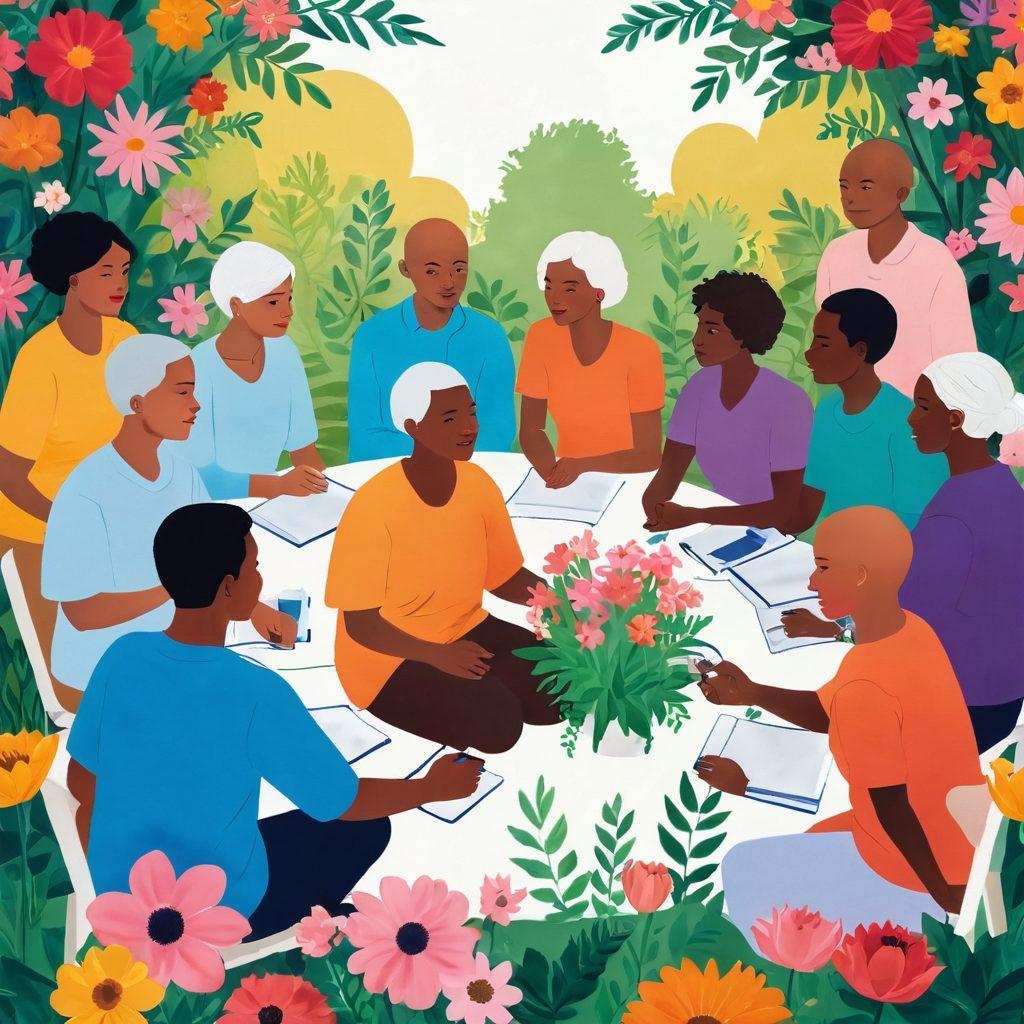
Empowering Survivorship: Strategies for Wellness and Support in the Cancer Journey
Navigating the cancer journey is like embarking on an uncharted voyage; full of uncertainties, challenges, and ultimately, opportunities for growth. Whether it’s the initial diagnosis or the aftermath of treatment, the myriad of emotions and complexities can leave anyone feeling overwhelmed. The world of oncology can seem daunting, with terms like malignancy and remission swirling in the air. Yet, it’s essential to know that you aren’t alone, and that numerous resources and coping strategies can illuminate your path towards wellness.
To find your way through the fog of illness, consider establishing a robust support network. This can include family, friends, and even community support groups that specialize in cancer advocacy. Having a compassionate ear can make all the difference. As author Maya Angelou once said, "I can be changed by what happens to me. But I refuse to be reduced by it." This is the mindset you can adopt to empower your survivorship. Listening to the experiences of others can provide not only solace but also valuable insight into coping strategies that have worked for them during their journey.
Incorporating healthy habits into your daily routine is another pivotal aspect of navigating the cancer landscape. Adopting lifestyle adjustments such as nutritional therapy with an emphasis on supplements can bolster your body's resilience. Engaging in physical activity and mindfulness practices can enhance symptoms management and improve overall wellness. Have you thought about how little changes in your diet could impact your mood and energy levels? The aim is not just to exist but to thrive, no matter the stage of your illness.
Another aspect that often gets overlooked is the role of patient advocacy. It’s crucial to take charge of your journey and become well-versed in your condition. Whether that means researching clinical trials in the field of immunotherapy or prepping for your next screening, knowledge is power. How can understanding the latest research advancements in cancer treatment inspire you to take your healing into your own hands? When you know what options are available, you can make informed decisions that guide you towards healing and potential remission.
Lastly, never underestimate the importance of both post-trauma support and caregiver resources. For those accompanying you on this journey, the burden can be heavy. Creating a dialogue about the challenges faced can ease the emotional weight. Palliative care teams can provide expert advice tailored to your needs, preserving the quality of life even amidst treatments like chemotherapy or radiation therapy. Remember, it's not just about fighting illness; it's about nurturing a life filled with purpose and joy, even in the face of adversity. The cancer journey is more than just survival; it's about creating a fulfilling life despite the challenges.
From Diagnosis to Remission: Holistic Approaches for Survivorship and Wellness
Receiving a cancer diagnosis can feel like being thrown into a storm. One moment you're living your life, and the next, you're faced with the complexities of malignancy, treatment options, and a whirlwind of medical jargon. But perhaps more importantly, you also find yourself on the path from diagnosis to remission—a journey that demands resilience, hope, and holistic wellness strategies. Cancer education becomes vital here, not only for patients but also for caregivers, as understanding the nature of the illness is the first step toward empowerment.
What does survivorship really mean? It's not just about the absence of disease; it's about reclaiming your life and laying the groundwork for a healthier future. Holistic health approaches take into consideration the mind, body, and spirit, making them essential for anyone navigating the roller coaster of post-trauma support. Think of wellness strategies as a toolkit for life—options to incorporate lifestyle adjustments, nutritional therapy, and even supplements that strengthen your body after the challenges of radiation therapy and chemotherapy.
Imagine a survivor who turns their experience into advocacy—a beacon of hope for others. This is where community support plays a crucial role. Joining or forming support networks can provide ongoing encouragement and useful coping strategies for tackling the emotional and physical fallout from treatment. Have you ever experienced a time when connection uplifted you? Research advancement in oncology has shown that a sense of belonging significantly impacts recovery, reminding us that we don’t have to walk this path alone.
It's essential to consider screening and prevention as well. The journey doesn't end with remission; maintaining awareness of symptoms management is crucial for long-term health. Engaging in clinical trials might seem intimidating, yet they often lead to groundbreaking treatments, such as immunotherapy, that offer hope for a sustainable recovery. Talk to your healthcare team about how you can participate and what options might be best suited for your individual path to survivorship.
Ultimately, the road to wellness is filled with choices that can help shape your future. From embracing healthy habits to understanding what options are available for supplementary support, every step you take can lead you further away from the shadows of your diagnosis. Remember, survivorship isn't just about surviving cancer; it's about thriving through life with new wisdom and strength. So, what's your next step on the journey to holistic health? Let's start exploring this captivating adventure together!
Empowering Cancer Patients: The Role of Advocacy, Support Networks, and Innovative Therapies
In the tumultuous journey of cancer, every step can feel daunting. Patients face not only the physical challenges posed by illness but also the emotional and psychological hurdles that come with a malignancy diagnosis. It’s during these trying times that empowerment through advocacy, support networks, and innovative therapies shines as a beacon of hope. As we explore the world of cancer survivorship, one question lingers: How can we best support those fighting this fight, turning their battles into stories of triumph?
Imagine standing at the crossroads of uncertainty, where every decision casts a long shadow over your well-being. This is where the role of patient advocacy becomes pivotal. A good advocate not only guides patients through the complexities of oncology but also empowers them to take charge of their health journey. From understanding symptoms management to exploring clinical trials for cutting-edge treatments like immunotherapy and nutritional therapy, advocacy arms patients with knowledge and choice. 'Your voice is your strongest weapon in the fight against cancer,' says one survivor, expressing the irrevocable truth that knowledge is power.
Community support should never be underestimated in the cancer journey. Whether you are a patient or a caregiver, connecting with others who share similar experiences fosters a sense of belonging and reduces the feelings of isolation that can accompany a cancer diagnosis. Support networks provide emotional, psychological, and practical help, offering everything from post-trauma support to lifestyle adjustments. In a world where caregivers often carry the heaviest burdens, they too must be soothed by community, reminding us that we are all in this together. How can we build these networks and make them accessible to all who need them?
Innovative therapies have revolutionized the landscape of cancer treatment. From radiation therapy to chemotherapy, advancements in research have paved the way for survival and wellness strategies that extend beyond traditional medical paradigms. Today, we see the rise of holistic health approaches, encouraging patients to engage in healthy habits that enhance their quality of life. Imagine the potential of incorporating supplements, mindfulness practices, and even nutritional therapy into the regimen—these aren't just add-ons; they can be foundational pillars of survivorship. As the saying goes, 'Wellness is a daily choice, not a destination.'
As we conclude this exploration of empowering cancer patients through advocacy, support, and innovative therapies, remember that every journey is uniquely personal. Each diagnosis carries its own weight, yet with the right support networks, informed decisions, and community connections, patients can find a path to not just surviving but thriving in remission. So, let’s continue to spread cancer education, promote regular screening, and embrace prevention strategies that encourage wellness for all. After all, in the fight against cancer, we are not just patients—we are warriors.